Belle Époque
The history of San Sebastian is marked by wars. The War of Independence, the Carlist Wars, the Civil War… But throughout its almost thousand years, in San Sebastian we have also had pleasant times, times when everything was going well and its inhabitants enjoyed life without any major worries. One of those moments could be […]
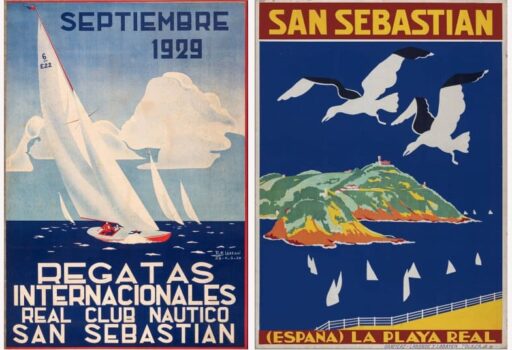
Categories
The history of San Sebastian is marked by wars. The War of Independence, the Carlist Wars, the Civil War… But throughout its almost thousand years, in San Sebastian we have also had pleasant times, times when everything was going well and its inhabitants enjoyed life without any major worries. One of those moments could be said to be now. Another would be the Belle Époque.
The Belle Époque of San Sebastian
The Belle Époque of San Sebastian dates back to the first third of the 20th century, although it can be brought forward to the end of the 19th century with the arrival of Queen María Cristina in the city in 1887. The Queen Regent came to San Sebastian to spend her summer holidays there and returned every summer until 1929, when she died.
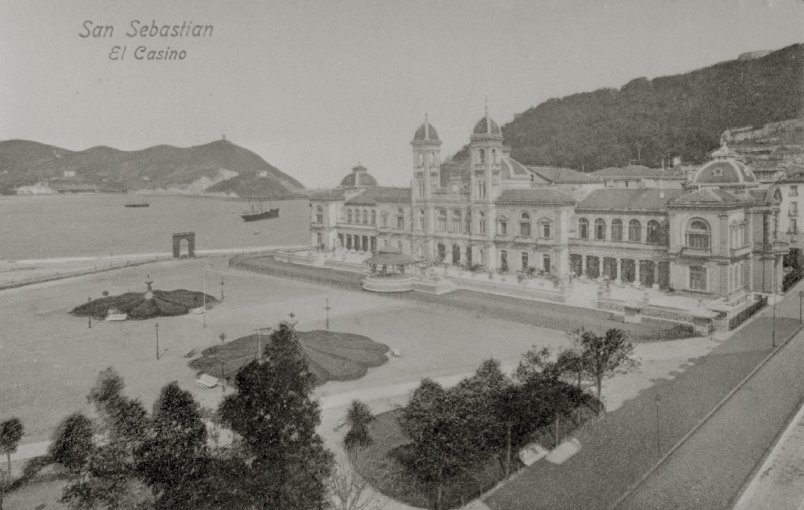
It was during this period that San Sebastian flourished and became the city we know today, as many of the city’s most important infrastructures were built during this period. Some examples are the City Hall, built as a casino, the María Cristina hotel, the Victoria Eugenia theatre, the Miramar palace, the Paseo Nuevo, the funicular railway on Monte Igeldo, the Buen Pastor cathedral…
But it is not only in the Belle Époque that the city is built. In fact, the most interesting thing about this period is everything that happens in Donosti. Concerts, plays, art exhibitions, horse and car races, fireworks and aviation displays, chess competitions, bullfights, painting competitions, pelota and football matches, rowing and sailing regattas, etc. It is rare to be bored in a city that has so much to offer.
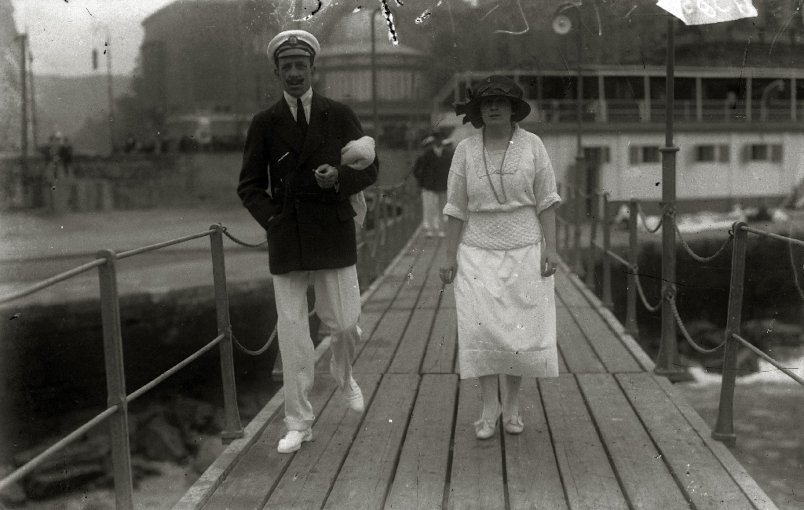
This means that among the holidaymakers who come to San Sebastian there are many familiar faces. Trotski, Picasso, Queen Victoria, García Lorca, the Shah of Persia, the future emperor of Japan, Matahari and Sorolla are just some of the most famous names to visit our city during the Belle Époque.
All this together makes Donosti the city to be in, and in fact, Donosti appears in numerous travel guides of the time, encouraging tourists from all over the world to visit it, more or less as it happens nowadays. These guides list hotels and restaurants of the time, some of which still exist, as is the case of the Hotel Londres, for example. There are also shops, train timetables, calendars with events… So these guides are like travelling back in time to a San Sebastian that has changed a lot, but that maintains its essence as a tourist city.
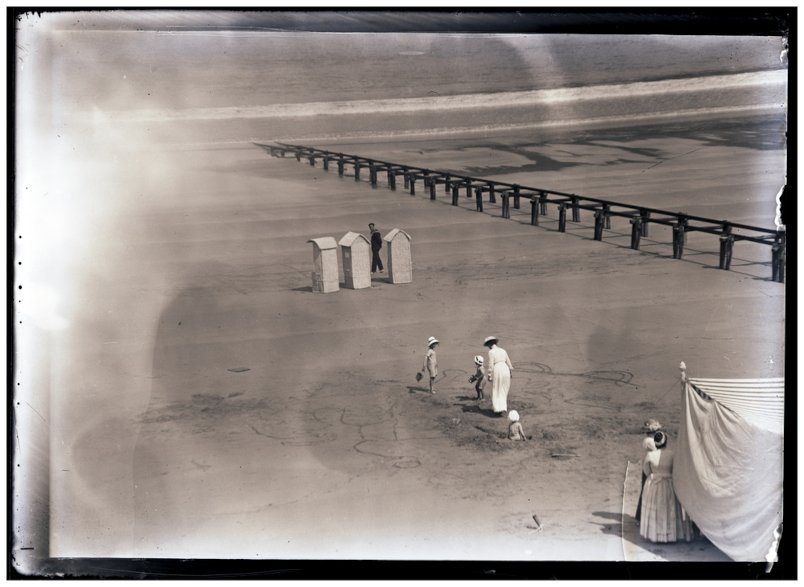
We really like to imagine the city a hundred years ago (especially Hegoi), in fact if you ask us on our tours or in the office, we’ll be happy to tell you details of this period. And if you tempt us enough, we’ll pull out one of the many books we have on the subject to show you photos, pictures and plans to give you a better idea of what the San Sebastian of the Belle Époque was like – we even have one of those travel guides from the period!
Without a doubt, the Belle Époque is a fascinating moment in the city’s history, one that we would like to visit if we could travel back in time. We could stroll around La Concha in our best costumes, attend concerts at the Gran Casino, have a chocolate in one of the cafés on Avenida de la Libertad, chat with acquaintances on the way to the circus or cheer on our favourite driver on race day. Almost as we do today when we leave work.

Hello! My name is Hegoi, a name that has its roots in Basque mythology, and since I was a child I have been fascinated by Basque culture and above all by talking about it with anyone who wants to know about it, so when I could, I studied tourism and nowadays I work as a guide at Bike Rental San Sebastian.