Interesting facts about San Sebastián: secrets, anecdotes and surprising facts
We all know San Sebastian, we know La Concha and the pintxos, but the city is full of secrets, curiosities and anecdotes that only a few people know about. In this tour of San Sebastián’s hidden gems, we at Bike Rental are highlighting a few, let’s see what you think. Historical interesting facts The Gascon […]
Categories
We all know San Sebastian, we know La Concha and the pintxos, but the city is full of secrets, curiosities and anecdotes that only a few people know about. In this tour of San Sebastián’s hidden gems, we at Bike Rental are highlighting a few, let’s see what you think.
Historical interesting facts
The Gascon origins of San Sebastian: When Donostia was founded in 1180 by King Sancho VI, he ordered that it be populated with people from France, more specifically from Gascony, just across the border. That is why there are countless places in the city with names of Gascon origin. Examples include Calle Narrika in the Old Town and Paseo de Mons in Intxaurrondo, the neighbourhoods of Morlans and Miramón, and the Puio area in Aiete. In fact, Puio and Puyuelo, the original name of Fermín Calbetón Street in the Old Town, come from the same word, ‘puy’, which means mountain or hill, and we must not forget that this street is on a slope in its westernmost part, so “puyuelo” would be ‘small hill’.
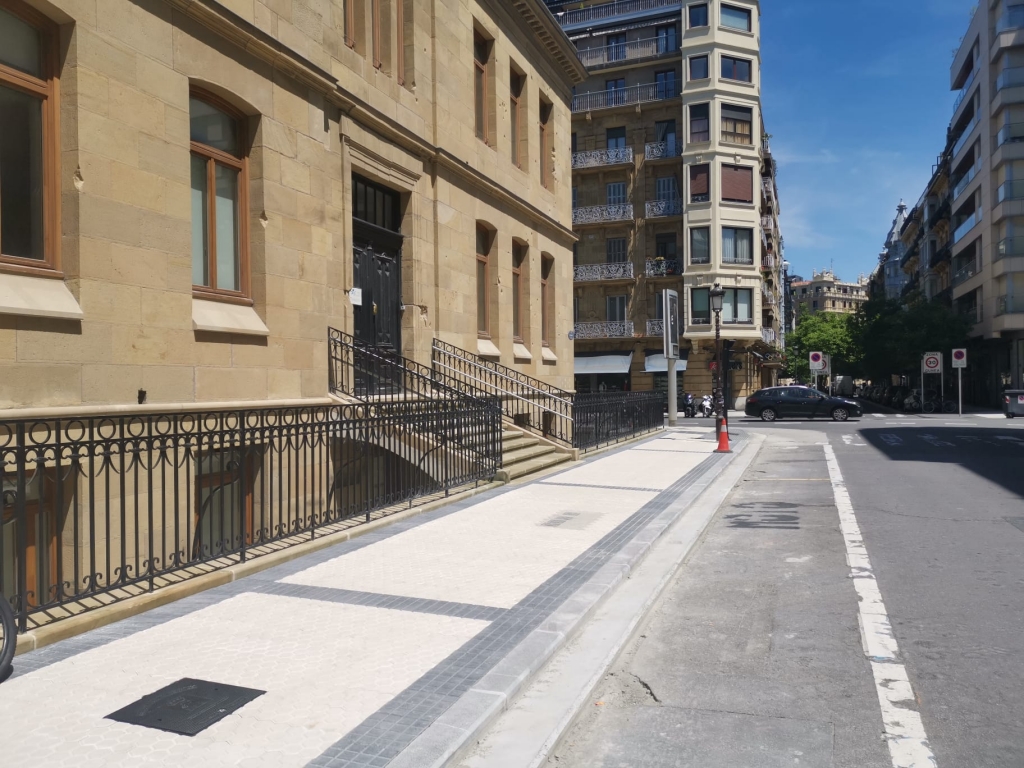
Holes in the façades: If you walk through the city centre and the Old Town, you may notice that some buildings have holes in them. This is the case on the eastern façade of the Town Hall, the façades facing Oquendo Square of the Victoria Eugenia Theatre and the María Cristina Hotel, the corner of the old Amara schools between Urbieta and Larramendi streets, and the Church of San Vicente. These holes are bullet holes from the Civil War, except for those in San Vicente, which date back to 1813. Witnesses to the city’s military past and the numerous wars that have ravaged it, they remain visible as an exercise in historical memory.
Cultural and gastronomic interesting facts
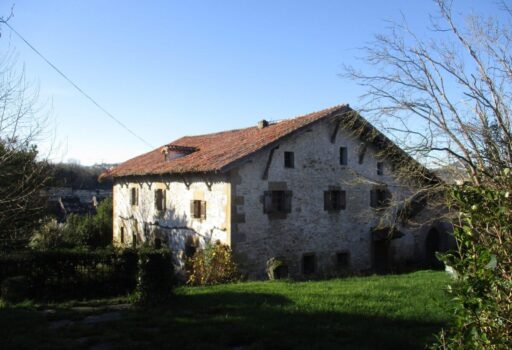
The farmhouses: In the past, San Sebastian was full of farmhouses. With the exception of small neighbourhoods outside the city walls, such as Santa Catalina, San Martín and El Antiguo, the rest of the territory was made up of scattered farms. Most of them have disappeared as the city has expanded, but their names remain. Thus, Amara, Anoeta, Polloe, Berio, Igara, Melodi, Intxaurrondo, Miramón, Munto and many others come from those old baserris (farms) that unfortunately no longer exist except in the memories of the elderly. This kind of local history is an essential part of the curiosities of San Sebastian that link the present to its rural past.
The zurito: In Donosti, when we go out for pintxos or a drink and want to have a beer, we can order a caña or a zurito. Our caña is twice as big as in other cities in Spain and can be too much beer, which is why we have the zurito, which is approximately half a caña. The name zurito comes from a group of friends, fans of the bullfighter Zurito de Córdoba, one of whom, tired of the bad wine that was served at the time, decided to switch to beer, but using the same small glass to drink it. So, by dint of ordering it, and being a fan of Zurito, the drink came to be known by that name and today it is perfectly established, even in the rest of the Basque Country and surrounding areas.
Interesting facts about neighbourhoods and hidden corners
The other rivers of Donosti: Although the best known and most important river in the city is the Urumea, the truth is that San Sebastian has more rivers that we cannot see, streams that have been buried or diverted so that buildings could be constructed on top of them and to avoid health problems. One of them runs parallel to Miracruz Street in Gros and flows into the Urumea next to the Santa Catalina Bridge. Another used to flow into Ondarreta but was diverted to flow behind Mount Igeldo. This second river, called Gorga, can still be seen on the university campus, recognisable as a short canal running parallel to the road. Without a doubt, these kinds of hidden details add to the curiosities of San Sebastián’s lesser-known attractions.
Hell is in San Sebastian: Just outside the city, on the edge of El Antiguo on the way to the motorway, there is an area called El Infierno (Hell). It was given this name because there used to be a farmhouse nearby called Belén (Bethlehem), and the residents decided to use the best irony to name that place. Belén no longer exists (as we have already mentioned, many of these farmhouses have disappeared), although not far away is Belen-berri (New Belén), built by the same family. There is currently an urban development project to reclaim this space, which until recent years was full of factories, so who knows, perhaps Hell will soon be inhabited again.
Famous people and local anecdotes
Amadeo of Savoy’s swim: Amadeo of Savoy was king of Spain for a very brief period between 1871 and 1873. Like any good 19th-century king, he used to spend his summers in San Sebastian to enjoy, among other things, La Concha beach. It is said that during one of his visits, he decided to go for a swim at our beloved beach. The surprising thing about this anecdote is that he did so naked, which was quite scandalous at the time! Without a doubt, one of the most striking sights in San Sebastian.
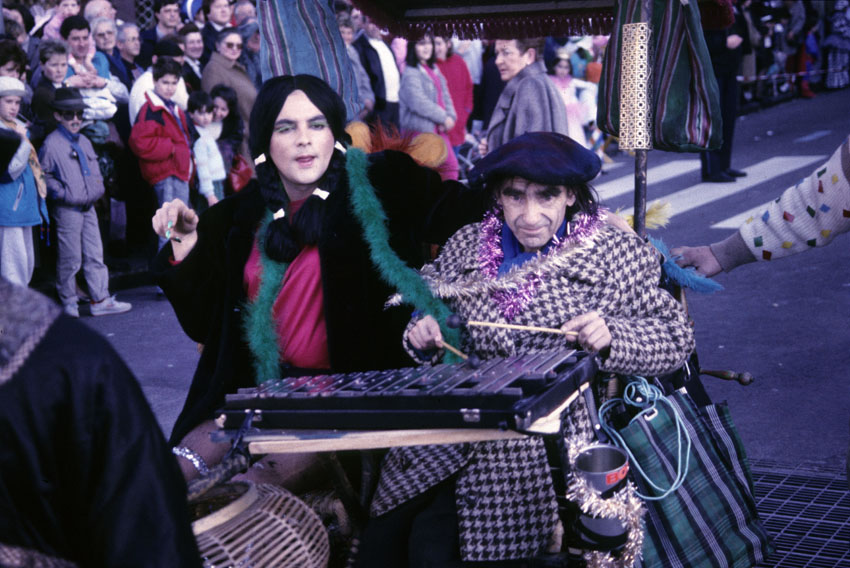
Txantxillo: One of the local characters most loved by the people of San Sebastian, if not the most, is Txantxillo, the nickname by which Santiago Hernández was known. Txantxillo lived in the Gros neighbourhood, where there is a plaque in his honour, and was known for always carrying lots of bags in which he kept all sorts of things, including a xylophone with which he played the anthem of San Ignacio, The Internationale or whatever else came to mind. He always asked for ‘a peseta, please’ as he wandered around the Old Town, even after we had switched to the euro. He died in 2003, but his memory lives on in the city, as when you see someone carrying a thousand bags, the normal thing to say is ‘you look like Txantxillo!’.
As you’ve seen, these interesting facts about San Sebastián show a different side of the city, beyond its beaches and cuisine, revealing unique stories that are part of its identity. Contact our team of expert local guides or rent a bike in San Sebastian with us.

My name is Alba, and although my first name doesn’t sound very Basque, my unpronounceable surname proves otherwise. I’ve lived in Donostia all my life. I’m an art historian and have been a tour guide for many years; I love travelling, languages and, of course, art.