La Mota Castle, San Sebastian
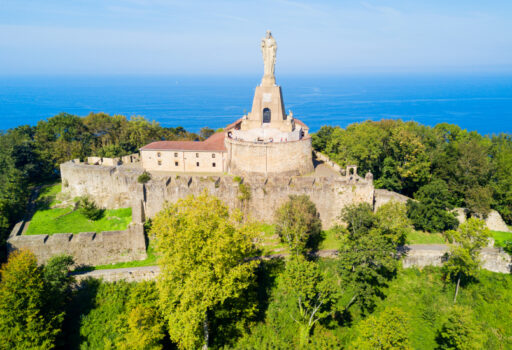
San Sebastian, like any good old stronghold, has a castle. It is not very obvious, as it does not have the typical shape of a castle, and it is also located just below the sculpture of the Sacred Heart of Jesus at the top of Mount Urgull, which steals all the limelight, but it does […]
Categories
San Sebastian, like any good old stronghold, has a castle. It is not very obvious, as it does not have the typical shape of a castle, and it is also located just below the sculpture of the Sacred Heart of Jesus at the top of Mount Urgull, which steals all the limelight, but it does exist. It is called La Mota Castle, a very common name for a castle, and as we have already mentioned, it is at the top of Mount Urgull, just above San Sebastian’s Old Town, watching over the city and the Cantabrian Sea.
History of La Mota Castle
The castle was first built in 1194, just a few years after the city was founded in 1180. King Sancho VII ordered its construction after deciding to surround San Sebastian with a wall to help defend the city. San Sebastian has always been close to the border with France, a country with which relations have been tense, to say the least.
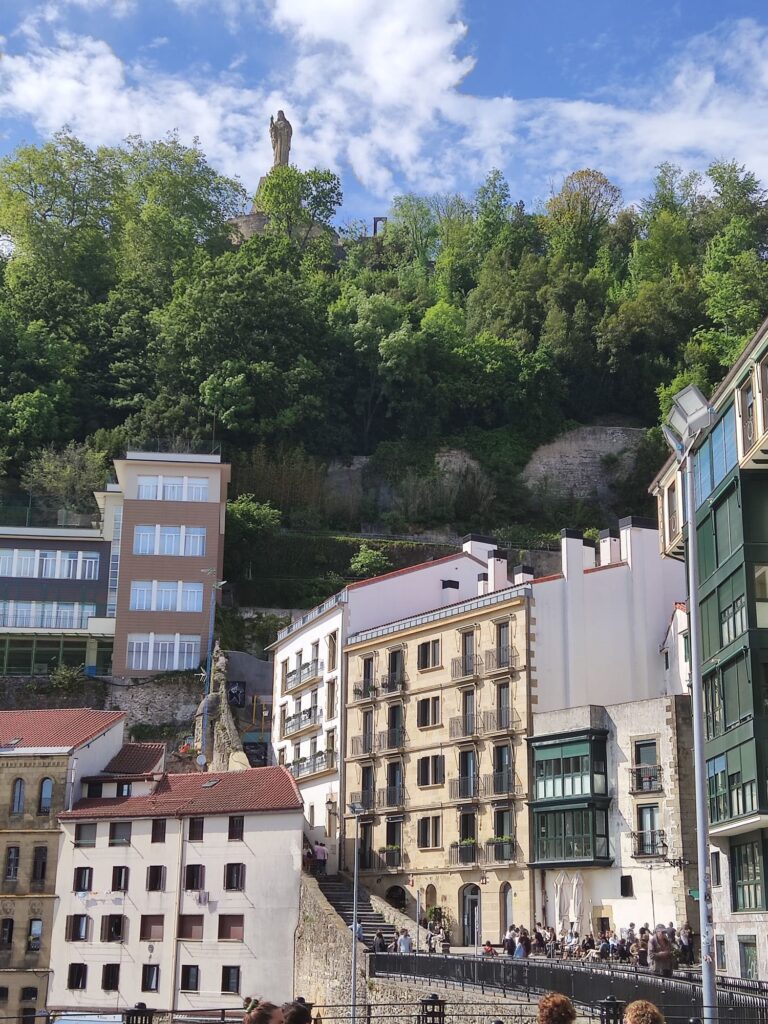
Thus, Donosti became a stronghold, surrounded by an enormous wall that grew over time, and the castle was located at the top of Urgull, a particularly inaccessible place, especially on the north side of the mountain, which is made up of cliffs, and perfectly strategic, as from its height of 120 metres the views of the sea and the surroundings of San Sebastian are unbeatable. A 360º view to anticipate possible attacks, both by sea and by land.
Over time, the castle was enlarged, with buildings added to the slopes of Urgull that served different purposes, such as powder magazines, warehouses and barracks for soldiers. The defences were also improved over the years, as were the walls surrounding the city. On a couple of occasions, it had to be rebuilt after fires and explosions.
The castle today
What we see today of La Mota Castle is an amalgamation of various buildings, some of which are abandoned and others that are used for purposes completely different from their original ones. In the 19th century, it was decided that the castle was no longer useful for defending the city, as warfare had changed significantly from previous centuries. Furthermore, in 1863, San Sebastian ceased to be a stronghold and no longer needed a castle (or walls, which were demolished that same year).
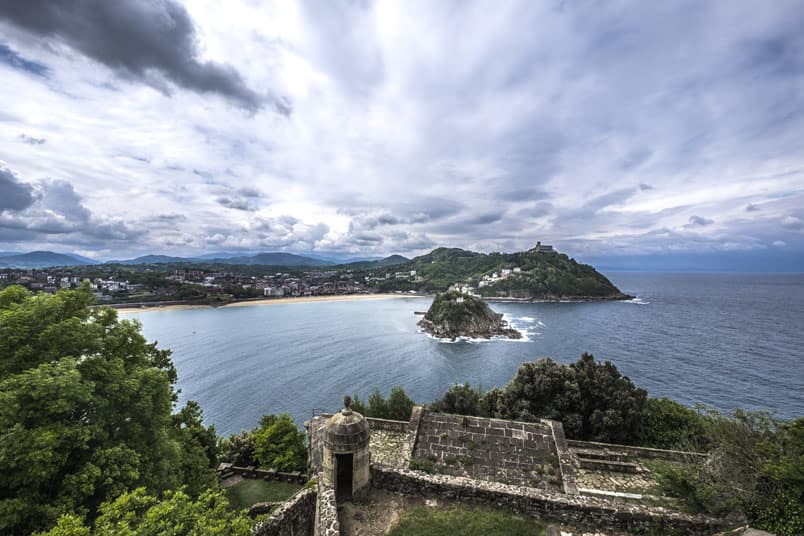
Today, Mount Urgull is a public park, open to visitors who want to enjoy wonderful views of the city and a pleasant walk. It is an ideal place to go with children. In summer, for example, one of the old castle buildings is used as a public library where workshops and children’s games are organised. Near the top, in an old powder magazine, there is a bar that opens in good weather and organises many concerts, aptly named Powder magazine (or Urgulleko polboriña in Basque). And what is now the old castle is La Casa de la Historia, a small free museum about the history of San Sebastian, which also has access to the base of the Sacred Heart sculpture, from where the views are even better.
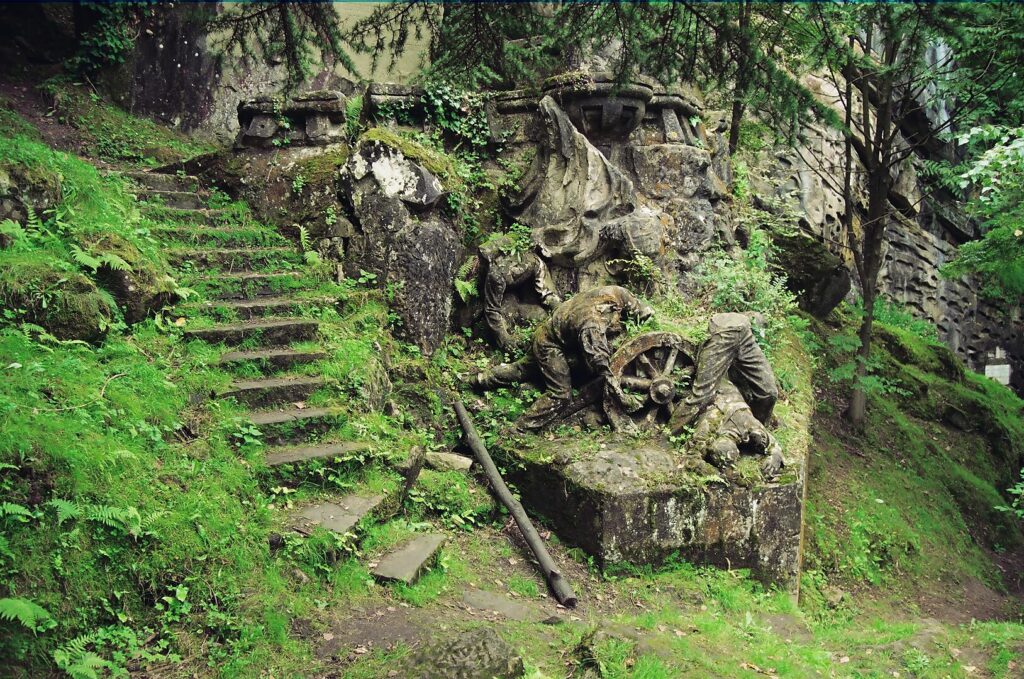
You will also find an old cemetery hidden among the trees, the Cementerio de los Ingleses (English Cemetery). This is a monument to the English soldiers who fell in the Carlist Wars, who came to Donosti to help the liberal side. They are buried here because it is the part of the city closest to England. And although it is a little neglected, like so many other buildings in the castle, it has a special charm and is one of the favourite places of many locals.

Hello! My name is Hegoi, a name that has its roots in Basque mythology, and since I was a child I have been fascinated by Basque culture and above all by talking about it with anyone who wants to know about it, so when I could, I studied tourism and nowadays I work as a guide at Bike Rental San Sebastian.